Shoqata e Ortodontëve Shqiptarë.
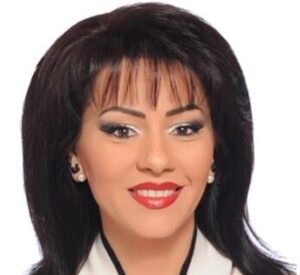 Dear colleagues, dear friends,
It is my great pleasure to welcome you to the 4th International Symposium of Orthodontics, organized by the Albanian Association of Orthodontists, which will take place in Tirana, at the Plaza Hotel, from October 1–3, 2026.
It is a great honor to bring together colleagues and friends from Albania and abroad for this special occasion, creating a unique opportunity to exchange knowledge, experience, ideas, and our shared passion for orthodontics. This symposium is part of a tradition held every four years and has become one of the most important events for the orthodontic community in Albania. Beyond its scientific value, it represents an opportunity to strengthen professional connections, foster meaningful exchange, and celebrate the spirit of collaboration that unites us as a community.
On October 1, we will begin with a dedicated course on skeletal anchorage in orthodontics. Alongside the theoretical component, participants will have the opportunity to gain hands-on experience with the application of orthodontic mini-screws on models.
The same day, we will celebrate the Opening Ceremony, which will hold a particularly special significance this year as we commemorate the 20th anniversary of the founding of the Albanian Association of Orthodontists. This anniversary is an important milestone for all of us—a moment to express our sincere gratitude to everyone who has contributed to the development of our Association, to reflect with pride on what we have achieved together, and to look ahead with confidence, optimism, and enthusiasm.
On October 2 and 3, the scientific program will continue, focusing on two main topics: biomechanics in orthodontics and orthodontic treatment with clear aligners.
We are honored to welcome distinguished lecturers from Italy, Germany, Romania, Norway, Greece, and Spain, who have accepted our invitation to share their professional and academic experience with us. Our Albanian colleagues will also make an important contribution to the scientific program through lectures, oral presentations, and scientific poster presentations, further enriching the exchange of knowledge and experience.
We are also pleased to announce a special recognition for our poster presenters. The best poster presentation will receive a certificate of excellence, accompanied by a special surprise.
Throughout the symposium, an exhibition area will be open to participants, offering the opportunity to discover the latest materials, technologies, and equipment, as well as to benefit from exclusive offers available during the symposium.
I sincerely hope that the 4th International Orthodontic Symposium will exceed your expectations and provide you with valuable knowledge, new perspectives, and meaningful professional experiences—while inspiring us all with fresh ideas and renewed enthusiasm to move forward. The Albanian Orthodontic Association has made every effort to ensure that this will be not only a high-level scientific meeting, but also a warm and welcoming gathering, where every participant feels valued and truly part of our big orthodontic family.
We look forward to welcoming you to Tirana and to sharing with you three memorable days of science, inspiration, friendship, and celebration.
With gratitude and warmest regards,
Prof. Assoc. Çeljana Toti President of the Albanian Orthodontic Association


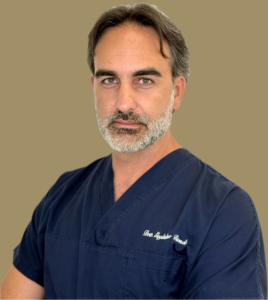
Name: Guglielmo Biondi
Dr. Guglielmo Biondi graduated in Dentistry and Dental Prosthodontics in 2006 from the Second University of Naples. In 2011, he completed his specialization in Orthodontics at the Catholic University of the Sacred Heart in Rome.
Since 2014, he has served as an instructor at the Charles H. Tweed International Foundation for Orthodontic Research and Education in Tucson, Arizona. He has also been an instructor in the gaTEOS courses since 2009 and a tutor in the two-year Orthodontics Program at the University of Belgrade since 2014.
His clinical and scientific activity focuses on orthodontics, biomechanics, skeletal anchorage, and skeletal maxillary expansion, particularly the use of MARPE devices and bone-borne expanders. He has also contributed to scientific publications on miniscrew-supported biomechanical strategies and on the indications and limitations of skeletal maxillary expansion.
Dr. Biondi is actively involved in teaching and regularly lectures at national and international courses and congresses, with a particular focus on orthodontic biomechanics, skeletal anchorage, and the treatment of complex cases.
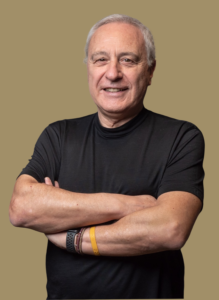
Name: Arturo Fortini
Dr. Arturo Fortini është diplomuar në Mjekësi dhe Kirurgji dhe është specialist në Ortognatodonci, si edhe në Odontoiatri dhe Protezë Dentare.
Ai është profesor me kontratë pranë Shkollës së Specializimit në Ortognatodonci të Universitetit të Cagliarit dhe Universitetit Tor Vergata të Romës. Gjithashtu, mban pozicionin e Clinical Professor of Orthodontics pranë Fakultetit të Shkencave Mjekësore të United College of Malta.
Dr. Fortini është i certifikuar nga Italian Board of Orthodontics (IBO) dhe European Board of Orthodontics (EBO). Ai është anëtar ndërkombëtar i American Association of Orthodontists, Fellow i World Federation of Orthodontists dhe anëtar i European Orthodontic Society.
Ai ka qenë President i zgjedhur i Akademisë Italiane të Ortodoncisë për vitin 2017 dhe është anëtar i shoqatave profesionale italiane ASIO dhe SIDO.
Dr. Fortini është autor i shumë publikimeve shkencore në fushën e ortodoncisë, të botuara në revista kombëtare dhe ndërkombëtare. Veprimtaria e tij shkencore dhe klinike është përqendruar veçanërisht në teknikën Straight-Wire, biomekanikën ortodontike, sistemet me fërkim të ulët, bonding-un indirekt dhe distalizimin molar.
Ai zhvillon aktivitet klinik privat në Firence dhe është lektor i njohur në kurse dhe kongrese kombëtare dhe ndërkombëtare.
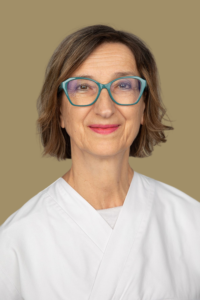
Name: Vaska Vandevska Radunovic
Vaska Vandevska-Radunovic është profesoreshë dhe drejtuese e programit në Departamentin e Ortodoncisë pranë Universitetit të Oslos. Ajo ka përfunduar studimet për stomatologji dhe ka marrë gradën Master në Ortodonci në Universitetin “Kiril i Metodij” në Shkup, ndërsa gradën “Doctor Odontologiae” e ka fituar në Universitetin e Bergenit, Norvegji.
Ajo është e angazhuar pranë Universitetit të Oslos që nga viti 2000, është emëruar profesoreshë në vitin 2011 dhe drejtuese e departamentit në vitin 2018. Karriera e saj akademike ndërthur mësimdhënien, kërkimin shkencor dhe praktikën klinike, së bashku me bashkëpunime të gjata kërkimore ndërkombëtare.
Dr. Vandevska-Radunovic është aktive në botimet shkencore si Associate Editor dhe anëtare e bordeve editoriale të disa revistave ndërkombëtare, si dhe mban rregullisht leksione në vende të ndryshme të botës. Ajo ka udhëhequr një numër të madh doktorantësh dhe kandidatësh për specializim dhe ka mbajtur role drejtuese në komunitetin ortodontik, përfshirë pozicionin e Presidentes së Kongresit të European Orthodontic Society 2023 në Oslo.
Aktualisht, ajo është Presidente e Bordit të NEBEOP-it, Network of Erasmus Based European Orthodontic Programs si edhe anëtare e Komitetit Ekzekutiv të WFO-së.
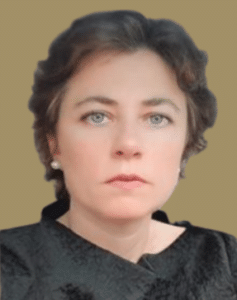
Name: Edlira Baruti
Edlira Baruti Papa ka lindur në vitin 1975 në Tiranë, Shqipëri. Ajo u diplomua në Stomatologji pranë Fakultetit të Mjekësisë, Universiteti i Tiranës, në vitin 1998. Më pas u specializua në Ortodonci dhe fitoi gradën PhD në Ortodonci pranë Departamentit të Ortodoncisë të Fakultetit të Stomatologjisë, Universiteti i Stambollit, Turqi, në vitin 2005.
Gjatë viteve 2010–2014, ajo ka qenë pedagoge dhe lektore e Ortodoncisë në Universitetin Amerikan të Tiranës. Në periudhën 2015–2018, ka zhvilluar aktivitet akademik si pedagoge dhe lektore pranë Fakultetit të Mjekësisë Dentare, Universiteti i Mjekësisë, Tiranë. Që prej vitit 2005, ajo është themeluese dhe drejtuese e Klinikës Edlirdent Orthodontics, si edhe konsulente në disa klinika dentare në Tiranë.
Gjithashtu, ushtron aktivitetin si ortodonte pranë Njësisë Maksilofaciale të Spitalit Salus në Tiranë. Dr. Edlira Baruti Papa është lektore në aktivitete të rëndësishme shkencore brenda dhe jashtë Shqipërisë. Ajo është autore dhe bashkautore e disa artikujve të botuar në revista shqiptare dhe ndërkombëtare në fushën e ortodoncisë.
Ajo është bashkëautore e metodës Baruti–Demiraqi, një teknikë e avancuar e PAOO-së, e cila përfshin një protokoll të graftimit të indeve të forta dhe të buta.
Në vitin 2022, ajo u vlerësua me çmimin Top 100 Doctors in Dentistry nga Global Summits Institute (GSI).
Dr. Baruti Papa është bashkëthemeluese dhe nënkryetare e Shoqatës së Ortodontëve Shqiptarë (SHOSH). Ajo është gjithashtu anëtare e Balkan Association of Orthodontic Specialists (BAOS), European Federation of Orthodontics (FEO) dhe World Federation of Orthodontists (WFO).
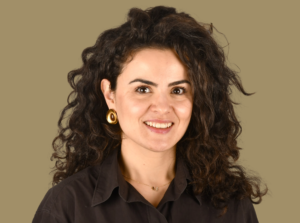
Name: Yllka Abazi
Dr. Yllka Abazi është diplomuar në Stomatologji dhe Protetikë Dentare me rezultate të shkëlqyera në Universitetin Katolik “Zoja e Këshillit të Mirë” dhe ka përfunduar Masterin e Nivelit të II-të në Ortodonci në Universitetin e Romës “Tor Vergata” gjatë vitit 2012-2013, i udhëhequr nga Prof. Paola Cozza. Dr. Abazi ka përfunduar specializimin në Ortodonci në Universitetin e Romës “Tor Vergata” gjatë viteve 2014-2016 dhe ka marrë titullin doktor shkencash në vitin 2022 nga Universiteti “Tor Vergata”. Në vitin 2014 ka kryer kursin vjetor teoriko-praktik “Teknika StraightWire” me Dr. Davide A. Mirabella në Milano, Itali. Në vitin 2019 ka kryer trajnimin teoriko-praktik “Teknika e Harkut të Drejtë, MBT” në Kaliforni, në Qendrën e Trajnimit të Richard M. Laughlin.
E çertifikuar si stomatologe në fushën e Çrregullimeve të Gjumit që nga viti 2019, Dr. Abazi është pedagoge e brendshme në fushën e Ortodoncisë dhe anëtare e Departamentit të Shkencave Biomjekësore në Universitetin Katolik “Zoja e Këshillit të Mirë” që nga shtatori 2015. Aktualisht, ajo punon si ortodonte në departamentin e Ortodoncisë pranë Klinikës Dentare në Universitetin “Zoja e Këshillit të Mirë” dhe në Klinikën Dentare GogaDent në Kosovë. Që nga viti 2016, është koordinatore dhe lektore e kurseve pasuniversitare në Ortodonci të organizuara nga Fondacioni “Zoja e Këshillit të Mirë” dhe OrthoMasterCourses. Që nga viti 2022, është koordinatore dhe lektore në kursin pasuniversitar në Ortodonci të organizuar nga Goga Dent në Ferizaj të Kosovës. Dr. Abazi është anëtare aktive e Shoqatës së Ortodontëve Shqiptarë, anëtare e Organizatës Ndërkombëtare të SIDO dhe SIMSO, dhe ka publikuar artikuj në nivel kombëtar dhe ndërkombëtar.
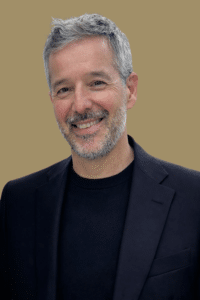
Name: Stefano Negrini
Stefano Negrini is an Orthodontic Dental Technician, 3D Orthodontics expert and international speaker. Since 2008, he has been one of the pioneers in the application of 3D printing and CAD/CAM technologies in orthodontics, contributing to the development of fully digital orthodontic workflows. BIO Stefano ENG.pdf Driven by innovation, he has also integrated Artificial Intelligence into appliance design and treatment planning. Stefano is the creator of REVERSE, a patented, minimally invasive skeletal anchorage system for TADs.
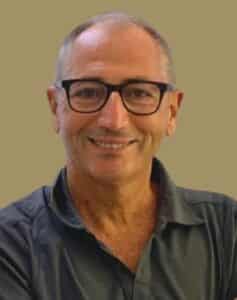
Name: Giovanni Gravina Manes
Prof. Giovanni Gravina Manes është diplomuar në Mjekësi dhe Kirurgji në vitin 1988 në Universitetin “La Sapienza” në Romë, Itali. Në vitin 1990, ai ka përfunduar specializimin në Odonto-stomatologji në të njëjtin universitet, ndërsa në vitin 2000 ka marrë diplomën për specializimin në Ortodonci.
Aktualisht, Prof. Gravina ushtron aktivitetin klinik në Romë në klinikën e tij private dhe ofron konsulencë në klinika të tjera.
Ai është profesor në Shkollën e Specializimit në Ortodonci në Universitetin e Aquilas dhe docent në programin e Masterit në Ortodonci në Universitetin e Foggias.
Që nga viti 2012, ai është Drejtor i Shkollës së Specializimit në Ortognatodonci në Albanian University në Tiranë.
Prof. Gravina është gjithashtu themelues dhe president i Shoqatës Shkencore SOIeM (Shoqata e Ortodoncisë Interceptive dhe Myofunksionale) dhe anëtar i SIDO-s (Shoqata Italiane e Ortodoncisë).
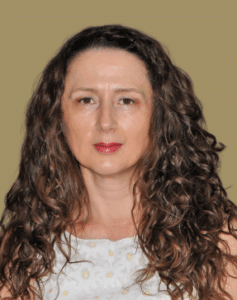
Name: Elona Kongo
Assoc. Prof. Elona Kongo graduated as a Doctor of Dental Medicine in 1999 from the Faculty of Medicine, University of Tirana. Alongside her clinical practice as a dentist specializing in Orthodontics, she has also been involved in teaching at the Faculty of Medical Sciences, Albanian University, since 2008. In addition to her clinical and academic activities, she has pursued scientific research by presenting at national and international scientific conferences and publishing articles in scientific journals in Albania and abroad.
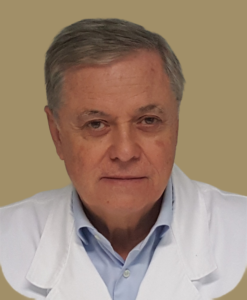
Name: Renzo Sorato
Dr. Renzo Sorato graduated in Medicine and Surgery from the University of Padua, where he also completed his specialization in Surgery. He subsequently obtained a three-year university diploma in Orthodontics and Dentofacial Orthopaedics from the Université de Bourgogne in Dijon, France. He also completed a Second-Level University Master’s Degree in Aesthetics of Oral and Perioral Tissues in Dentistry at the University of Padua.
From 1992 to 2010, he worked as a medical director at the Department of Maxillofacial Surgery and Dentistry of Ca’ Foncello Hospital in Treviso. During this period, he was also involved in the orthodontic service, with a particular focus on presurgical orthodontics and the treatment of patients with craniofacial malformations and cleft lip and palate sequelae.
Dr. Sorato currently works as a physician, surgeon, and dentist, providing orthodontic consultations in several clinics in the provinces of Treviso and Venice.
He has extensive teaching experience in the field of orthodontics and lectures in theoretical and practical courses in Clinical Orthodontics. In collaboration with Dental Leader Corsi/Aesthetic Dental Leader Academy, he has directed and taught long-term clinical orthodontic courses, also known as the Expert in Orthodontics program.
Dr. Sorato is a member of SIDO (Italian Society of Orthodontics) and SFODF (French Society of Dentofacial Orthopaedics).
His clinical and scientific activities focus on clinical orthodontics, interceptive orthodontics, orthodontic-surgical treatment, the management of impacted canines, pre-surgical orthodontics, and the treatment of dentofacial anomalies.
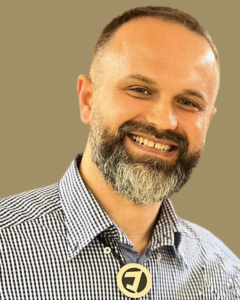
Name: Klodjan Shahu
Dr. Klodjan Shahu is an orthodontist with academic and professional experience in the specialty of orthodontics. In 2011, he graduated with excellent results in Dentistry from the University of Tirana, Albania. After graduation, he served as an external lecturer in Orthodontics at the same institution where he completed his studies.
Në vitin 2020, Dr. Shahu ka përfunduar Masterin në Dentistri Klinike (Ortodonci) në United Campus of Malta dhe ka thelluar ekspertizën e tij duke marrë pjesë në Kursin Klinike Biennal të Tweed në Universitetin e Beogradit. Angazhimi i tij për ekselencën në ortodonci reflektohet në anëtarësitë dhe rolin e tij në organizata të nderuara. Ai është anëtar i The Charles H. Tweed International Foundation, Arizona, SHBA, që nga viti 2019, dhe u nderua si Fellow i Fondacionit në vitin 2022. Në vitin 2023, ai u emërua instruktor për Kursin e Studimit Tweed në Arizona dhe që prej viti 2025 është bashkëpunëtor pranë UEMC – Universidad Europea Miguel de Cervantes.
Dr. Shahu gjithashtu është anëtar i Bordit të TEOS (Shoqata Evropiane e Ortodontisë) që nga viti 2022, anëtar aktiv i BAOS (Shoqata Ballkanike e Specialistëve Ortodontë) dhe i Shoqatës së Ortodontëve Shqiptarë që nga viti 2017.
Ekspertiza e tij në “Back to Basics” dhe “Biomechanics in Orthodontics.”, nëpërmjet organizimit të kurseve profesionale, nuk është bërë e njohur vetëm për ortodontët në Shqipëri, por edhe Kosovë, Itali, Rumani, Bullgari, Moldavi dhe Portugali.
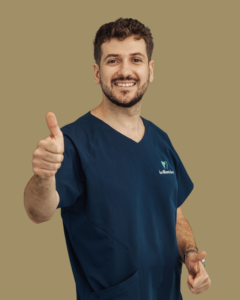
Name: Doniano Xhanari
Dr. Doniano Xhanari u diplomua me rezultate të shkëlqyera në Stomatologji dhe Protetikë Dentare në Universitetin Katolik “Zoja e Këshillit të Mirë”, Tiranë, Shqipëri, në vitin 2016. Më pas përfundoi specializimin pasuniversitar në Ortodonci në Universitetin Katolik “Sacro Cuore”, Romë, Itali.
Formimi i tij i avancuar klinik dhe biomekanik përfshin programe pranë Universitetit të L’Aquila-s dhe Universitetit Katolik “Sacro Cuore” në Romë, si edhe kurse të specializuara me ekspertë të njohur ndërkombëtarisht, përfshirë Dr. Giovanni Biondi, Dr. Cesare Luzi, Prof. Birte Melsen dhe Dr. Giorgio Fiorelli.
Dr. Xhanari është anëtar aktiv i Shoqatës Shqiptare të Ortodontëve dhe i Shoqatës Italiane të Ortodoncisë (SIDO), si dhe merr pjesë rregullisht në kongreset kryesore ndërkombëtare të ortodoncisë.
Aktualisht, ai është pedagog në Programin Master Pasuniversitar në Ortodonci pranë Universitetit Katolik “Sacro Cuore” në Romë dhe ushtron aktivitetin e tij në një klinikë private ortodontike në Shqipëri, me fokus ekskluziv në ortodon.
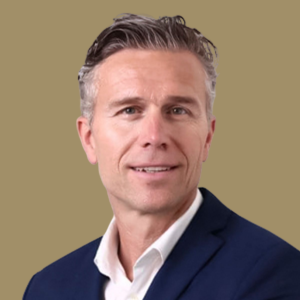
Name: Udo Windsheimer
Dr. Udo Windsheimer e nisi karrierën e tij ortodontike në vitin 2001, kur u certifikua dhe hapi klinikën e tij private të ortodoncisë në Crailsheim. Në vitin 2007, ai zgjeron aktivitetin profesional duke themeluar një klinikë private multidisiplinare në Mynih, e specializuar në trajtimet me alignerë.
Që prej vitit 2010, Dr. Windsheimer është aktiv si lektor ndërkombëtar, duke mbajtur ligjërata dhe trajnime profesionale në më shumë se 30 vende. Ekspertiza dhe kontributi i tij afatgjatë në fushën e ortodoncisë u vlerësuan në vitin 2012, kur ai u nderua me titullin Diamond Doctor.
Në vitin 2016, Dr. Windsheimer themeloi OrthoCenter, një institut i avancuar trajnimi i dedikuar terapive me alignerë. Përmes OrthoCenter, ai krijoi dhe lançoi programin e certifikimit EUMAA – European Masters of Aligners, i cili është kthyer në një standard të njohur në edukimin e trajtimeve me alignerë.
Gjatë karrierës së tij, Dr. Windsheimer ka trajtuar me sukses më shumë se 3.500 raste Invisalign, duke e pozicionuar si një nga klinicistët më me përvojë në Evropë në fushën e trajtimeve me alignerë.
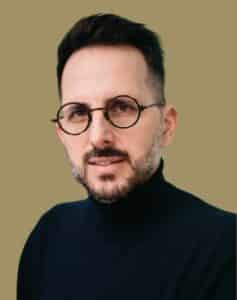
Name: Dimistris Fragkos
Me mbi një dekadë përvojë të përkushtuar në ortodoncinë me alignerë, ka mbajtur role të larta drejtuese në laboratorë dhe kompani të njohura dentare, duke kontribuar gjerësisht si Teknik Dentar Master dhe si menaxher. Gjatë karrierës së tij, ka qenë përgjegjës për më shumë se 10.000 plane trajtimi, duke dëshmuar një nivel të lartë ekspertize në planifikimin digjital të trajtimit dhe në teknologjinë e alignerëve.
Si themelues dhe Drejtor Ekzekutiv i Plano-s, ai bashkëpunon me disa sisteme ndërkombëtare alignerësh në rolin e Kryeteknikut, ndërkohë që shërben edhe si Key Opinion Leader për Nemotec. Ai është gjithashtu themelues dhe Drejtor i Kursit të Athenian Masterclass, një program ndërkombëtar edukimi i dedikuar avancimit të ekspertizës në ortodoncinë me alignerë, përmes të nxënit të bazuar në evidencë dhe bashkëpunimit ndërdisiplinor.
Ai është anëtar aktiv i shoqatave evropiane, gjermane, austriake dhe rumune të alignerëve dhe ndan rregullisht ekspertizën e tij si lektor në kongrese dhe aktivitete edukative ndërkombëtare, duke promovuar vazhdimisht ekselencën dhe inovacionin në zgjidhjet ortodontike.
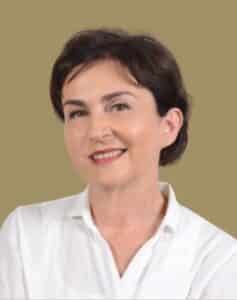
Name: Krenare Agani
Dr. Krenare Agani është ortodonte e shquar, me një formim të fortë akademik, përvojë të gjerë klinike dhe një karrierë të suksesshme ndërkombëtare në Kosovë, Austri dhe Gjermani.
Në vitin 2001, ajo u diplomua në Fakultetin e Mjekësisë, në Departamentin e Stomatologjisë, në Universitetin e Prishtinës. Gjatë viteve 2001–2004, kreu studimet pasuniversitare në të njëjtin universitet. Nga viti 2002 deri në vitin 2009, punoi si asistente mësimore, duke dhënë një kontribut të rëndësishëm në zhvillimin akademik dhe në edukimin e brezave të rinj të profesionistëve të stomatologjisë.
Në vitin 2006, Dr. Agani fitoi titullin Specialiste e Ortopedisë së Nofullave. Pas përfundimit të specializimit, gjatë viteve 2007–2010, ajo punoi si mjeke specialiste në Qendrën Klinike Universitare të Kosovës (QKUK) në Prishtinë. Paralelisht, në vitin 2007 themeloi dhe drejtoi klinikën e saj private dentare, Jaka Dent, të cilën e menaxhoi me sukses deri në vitin 2016.
Në vitin 2016, Dr. Agani u zhvendos në Gjermani, ku arriti integrim të plotë profesional dhe vazhdoi rrugëtimin e saj të specializimit. Në vitin 2019, përfundoi programin European Master of Aligners, duke thelluar më tej ekspertizën e saj në sistemet moderne të trajtimit ortodontik me alignerë.
Gjatë viteve 2019–2021, ajo kreu studimet për Master në Mjekësinë Kraniomandibulare dhe Muskuloskeletore në Universitetin e Innsbruckut, Austri, duke zgjeruar kompetencat e saj klinike në fusha të mjekësisë ndërdisiplinore.
Që nga viti 2019, Dr. Agani është pronare e dy klinikave private dentare, të vendosura në Zweibrücken dhe Pirmasens, Gjermani. Në këto klinika, ajo vazhdon të ofrojë trajtime të avancuara ortodontike, si dhe shërbime të specializuara në fushën kraniomandibulare, duke u shërbyer pacientëve me prejardhje dhe nevoja të ndryshme.
Dr. Krenare Agani është anëtare aktive e disa organizatave të njohura profesionale ndërkombëtare, ndër të cilat: Shoqata Gjermane e Ortodoncisë me Alignerë (DGAO) , European Aligner Society (EAS), World Federation of Orthodontists (WFO), Scientific Working Group for Craniomandibular and Musculoskeletal Medicine
Me një karrierë profesionale që shtrihet në disa vende evropiane, Dr. Agani ndërthur përvojën akademike, atë klinike dhe përkushtimin ndaj zhvillimit të vazhdueshëm profesional, duke u fokusuar në ofrimin e trajtimeve moderne dhe të personalizuara për pacientët e saj.
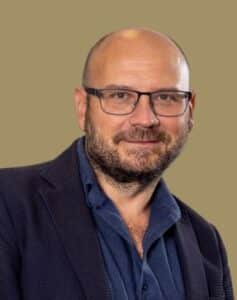
Name: Dan Andrei Iacob
Dr. Dan Andrei Iacob u diplomua në Stomatologji në Universitetin “Gr. T. Popa” në Iași në vitin 2003 dhe u specializua në Ortodonci në Universitetin “Carol Davila” në Bukuresht në vitin 2006.
Ai është një lektor i njohur dhe ka mbajtur një numër të madh leksionesh dhe workshop-esh praktike mbi ortodoncinë, si në Rumani, ashtu edhe në vende të ndryshme të botës.
Që prej vitit 2017, është bashkëthemelues i kursit ortodontik “Curs Contemporan de Ortodontie Practica”, ku, së bashku me bashkëpunëtorët e tij, ka trajnuar më shumë se 250 ortodontë të rinj.
Dr. Dan Andrei IACOB njihet si një nga ortodontët më të mirë në Rumani dhe vlerësohet për ekspertizën e tij të veçantë dhe qasjen inovative në trajtimet ortodontike. Përkushtimi i tij ndaj përsosmërisë e ka pozicionuar si një nga figurat drejtuese në fushën e ortodoncisë.
Ai është i specializuar në trajtimin e rasteve komplekse ortodontike, me fokus të veçantë në terapinë me alignerë transparentë, trajtimet multidisiplinare te pacientët adultë dhe trajtimin e pacientëve me çrregullime temporomandibulare.
Dr. Dan Andrei IACOB është bashkëpronar i një klinike dentare private në Bukuresht, Rumani.
Ai është autor i shumë artikujve shkencorë të botuar në revista ndërkombëtare prestigjioze si edhe autor kapitulli në në librin Incursiune in Estetica Dentara
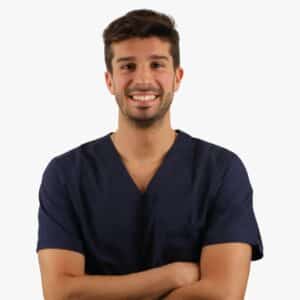
Name: Miguel Pessanha
Dr. Miguel Pessanha completed her studies in Dentistry at Fernando Pessoa University in Porto, Portugal. After graduation, she pursued a residency in Oral Surgery and Bone Regeneration in the Balearic Islands, where she focused particularly on the management of complex surgical cases. She later completed a full time specialisation in Orthodontics at the University of Barcelona, further strengthening her professional training in modern orthodontics. Academically, she has served as an adjunct professor in the clinical field of aligner treatments and has contributed to scientific research on rapid maxillary expansion and its impact on nasal breathing